
Editing

Structural editing
Structural editing is the foundation of a compelling manuscript. It examines the overall architecture of your story to ensure every chapter, scene, and transition works together to create a seamless and engaging reading experience. From strengthening plot progression and pacing to refining character development and narrative flow, this level of editing ensures your manuscript keeps readers invested from the opening page to the final chapter.
Whether your story unfolds through a traditional timeline, multiple points of view, or carefully placed flashbacks, we evaluate the structure that best serves your narrative and maximizes its emotional impact. We also assess chapter length, scene placement, story progression, and the balance between tension and resolution, identifying opportunities to expand, condense, or reorganize content where needed.
The goal of structural editing is to transform a good manuscript into an exceptional one by improving clarity, strengthening cohesion, and enhancing the overall reading experience. If you want your story to flow naturally, maintain momentum, and leave a lasting impression on your readers, structural editing is an essential step in the publishing process.
Copy editing
Once you’ve completed your rewrites, the next crucial step is copy editing!
This stage transforms your manuscript into a polished, professional work by refining the language while preserving your unique voice and style. Every sentence is carefully reviewed to improve clarity, consistency, accuracy, and readability, ensuring your message is communicated exactly as you intended.
Copy editing focuses on the details that elevate a manuscript from good to exceptional. Grammar, spelling, punctuation, word choice, sentence structure, continuity, and consistency are all examined with precision to create a smooth and engaging reading experience. The result is a manuscript that reads naturally, maintains credibility, and allows readers to remain fully immersed in your story without unnecessary distractions.
A professionally copy edited manuscript reflects the quality and excellence your work deserves. By strengthening every page while remaining true to your voice, copy editing gives your book the polish, confidence, and professionalism needed to make a lasting impression on readers.


Line editing
Line editing refines the artistry of your writing by strengthening the way your story is expressed while preserving your unique voice and style. Every sentence is carefully evaluated to improve word choice, sentence structure, clarity, rhythm, tone, pacing, and emotional impact, ensuring your manuscript is engaging from beginning to end.
This stage of editing focuses on the effectiveness of your prose, examining elements such as point of view, verb tense, dialogue, transitions, and narrative flow. Thoughtful recommendations are provided to eliminate unnecessary repetition, strengthen expression, enhance readability, and create a more immersive experience for your readers.
Line editing examines elements such as word choice, point of view, and verb tense, offering detailed suggestions to strengthen your narrative and enhance its emotional impact. Unlike proofreading, which corrects surface errors, or copy editing, which ensures technical precision, line editing elevates your creative content—bringing out the best in your voice and storytelling.
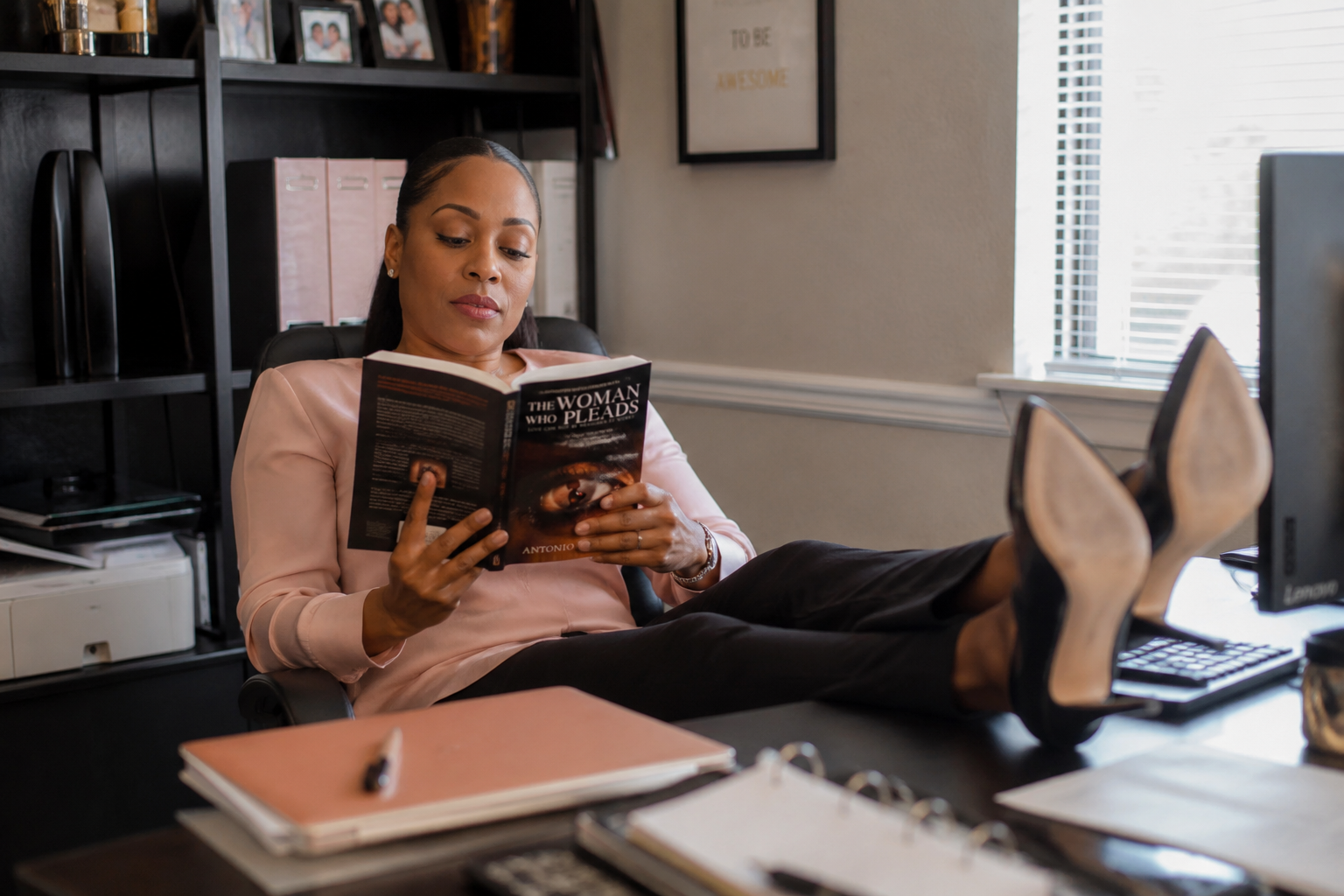
Proofreading
Proofreading is the final quality assurance step before your manuscript is published. At this stage, every page is carefully reviewed to ensure your work is free from grammar, spelling, punctuation, formatting, and typographical errors. The objective is to deliver a polished, professional manuscript that reflects the highest standards of quality and provides readers with a smooth, distraction free reading experience.
Even after multiple rounds of editing, small errors can remain. A professional proofreader approaches your manuscript with fresh eyes, carefully examining every sentence to identify issues that may have been overlooked during earlier stages of the editorial process. This final review ensures consistency, accuracy, and attention to detail throughout the entire manuscript.
More than correcting errors, line editing elevates the quality of your storytelling. It transforms good writing into compelling prose by ensuring every sentence serves a purpose, every paragraph flows naturally, and every page reflects the highest level of craftsmanship.
Fact-checking
No matter how thoroughly you research your manuscript, factual inaccuracies and inconsistencies can still find their way into your work. Fact checking provides an additional layer of review by carefully verifying the accuracy of names, dates, places, historical events, statistics, quotations, and other factual references to ensure your content is both reliable and credible.
Every fact is compared against trusted and authoritative sources, allowing potential errors to be identified and corrected before publication. This process helps protect the integrity of your work while giving readers confidence in the information you present.
Fact checking is an essential service for nonfiction and is equally valuable for historical fiction, scientific fiction, biographies, memoirs, and any manuscript where authenticity and accuracy play an important role. A thoroughly fact checked manuscript reflects professionalism, builds trust with readers, and strengthens the overall quality of your publication.